Author: Arrisje

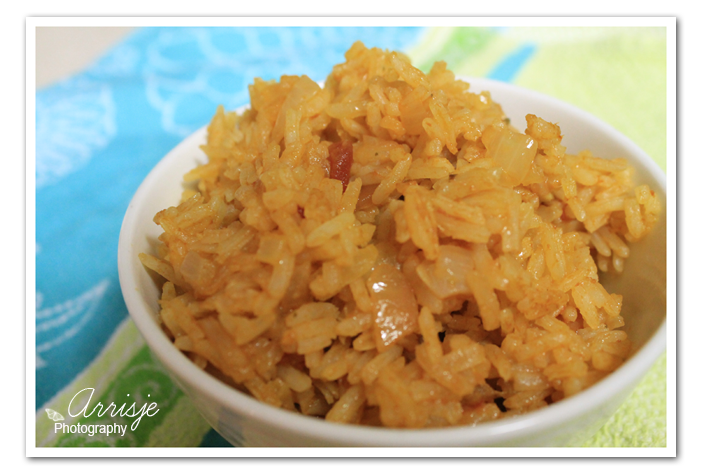
Spanish Rice

Spanish Rice

Spanish food is quite different from that of many other European countries in that it makes heavy use of rice; a staple that is more commonly associated with Asian countries. In order to understand exactly why the Spanish use rice so much in their cuisine it is beneficial to recount the history of Spanish rice. Spain was ruled by the Moors, who in turn were heavily influenced by the cuisine and culture of Muslim Arabs form the Middle East. It is widely believed that it was the Moors who laid the foundation stone in the history of Spanish rice by introducing it to the local population. By the time the Moors were expelled from Spain more than 700 years after they first arrived, rice had already developed a long established history among the Spanish people who were not prepared to abandon it.

The fact that rice came to the Spanish from the Moors is supported with linguistic evidence. The Spanish word for rice is ‘arroz’ which seems to come directly from the Arabic word for rice which is ‘al- ruzz’.

Spanish Rice Today

Today the term Spanish rice is often used to denote a specific dish that is served as a side dish made from white rice, tomatoes, garlic, onions, parsley, cilantro as well as a few other ingredients. One common cooking method for Spanish rice is to saute the rice until golden brown and cook it in chicken broth. Vegetables including carrots and peas or corn may also be used depending on the recipe.

Spanish rice is a popular dish in the Southwest of the United States, where it often features liberal portions of grilled and stewed vegetables. The version of Spanish rice cooked throughout South America tends to be more standardized, often with just enough tomato and chili to provide the characteristic reddish orange color and a smoky, garlic and onion taste. It is frequently served as a side dish alongside other Venezuelan and other South American Cuisine.

Dutch Apple Cake

Dutch Apple Cake

My sisters came to visit me last year and my sister Martha made this for us. She gave me her recipe and I made a few changes to the ingredients, just added cinnamon, vanilla and lemon extract.

Dutch Apple Pie

Dutch Apple Pie

Recipes for Dutch apple pie go back centuries. There exists a painting from the Dutch Golden Age, dated 1626, featuring such a pie.

The basis of Dutch apple pie is a crust on the bottom and around the edges. This is then filled with pieces or slices of apple, usually a crisp and mildly tart variety such as Goudreinet or Elstar. Cinnamon and sugar are generally mixed in with the apple filling, and lemon juice is often added. The filling can be sprinkled with liqueur for taste. Atop the filling, strands of dough cover the pie in a lattice, holding the filling in place but keeping it visible. Though it can be eaten cold, most people crave for the warm version, with a dash of whipped cream or vanilla ice cream.

Ingredients

For the crust:
300 gram self rising flour
200 gram unsalted butter
150 gram sugar
1 egg
For the filling:
1 kg tart apples (Jona)
50 gram vanilla sugar (Dr Oetker)
100 gram raisins
1-2 tsp cinnamon
breadcrumbs
1 beaten egg to glaze or apricot jelly
Parchment paper

Instructions

1.  Well the raisins in water or rum Put all the ingredients for the crust in the kitchen aid machine, and mix till the dough is a ball. Take the dough out and put in the refrigerator 30 minutes (needs to be cold to make the crust).
2. Peel the apples and use the mandolin to make even slices of the apples. Combine with the vanilla sugar, raisins and cinnamon. Sprinkle with some lemon juice, that way the apples won’t turn brown. Add the cinnamon ( I forgot the pic of that one but you get the idea).

3. Circle with a pencil around the spring form on parchment paper, cut the circle out. Grease the spring form add the cut out parchment paper and add the breadcrumbs, that will absorb the moisture.

4.Roll 1/2 the dough out and put the crust in the spring form, don’t make it too thick. Add the apple mixture to it and roll the left over dough in strips and make a lattice pattern. Brush the lattice with the beaten egg. Bake in a preheated oven of 300F and bake for about 1hr and 10 min. According to mom’s recipe it should be 175C which is 340F. If you have bigger slices of apple you need to cook it longer.

*My recipe Card. Right click on picture and save to your hard drive. Print as a 4×6 picture*

Dutch Apple Pie

The basis of Dutch apple pie is a crust on the bottom and around the edges. This is then filled with pieces or slices of apple, usually a crisp and mildly tart variety such as Goudreinet or Elstar. Cinnamon and sugar are generally mixed in with the apple filling, and lemon juice is often added. The filling can be sprinkled with liqueur for taste. Atop the filling, strands of dough cover the pie in a lattice, holding the filling in place but keeping it visible. Though it can be eaten cold, most people crave for the warm version, with a dash of whipped cream or vanilla ice cream.
No ratings yet
Print Pin Comment
Prep Time 30 minutes
Cook Time 1 hour 10 minutes
Total Time 1 hour 40 minutes
Course Dessert
Cuisine Dutch
Add to Shopping List

Ingredients

For the crust:

  • 300 gram self rising flour
  • 200 gram unsalted butter
  • 150 gram sugar
  • 1 egg

For the filling:

  • 1 kg tart apples Jona
  • 50 gram vanilla sugar Dr Oetker
  • 100 gram raisins
  • 1-2 tsp cinnamon
  • breadcrumbs
  • 1 beaten egg to glaze
  • Parchment paper

Instructions

  • Well the raisins in water or rum Put all the ingredients for the crust in the kitchen aid machine, and mix till the dough is a ball. Take the dough out and put in the refrigerator (needs to be cold to make the crust).
  • Peel the apples and use the mandolin to make even slices of the apples. Combine with the vanilla sugar, raisins and cinnamon. Sprinkle with some lemon juice, that way the apples won't turn brown. Add the cinnamon ( I forgot the pic of that one but you get the idea).
  • Circle with a pencil around the springform on parchment paper, cut the circle out. Grease the spring form add the cut out parchment paper and add the breadcrumbs, that will absorb the moisture.
  • Roll 1/2 the dough out and put the crust in the spring form, don't make it too thick. Add the apple mixture to it and roll the left over dough in strips and make a lattice pattern. Brush the lattice with the beaten egg. Bake in a preheated oven of 300F and bake for about 1hr and 10 min. According to mom's recipe it should be 175C which is 340F. If you have bigger slices of apple you need to cook it longer.
Tried this recipe?Mention @KinFolkRecipes or tag #KinFolkRecipes!


Meatballs gehaktbal

Meatballs gehaktbal

Meatballs gehaktbal “Woensdag, gehaktdag!” (“Wednesday, minced meat day!”That is how it used to be up until the 1960s: on Wednesdays, virtually every Dutch housewife would serve minced meat for dinner. Even today, more traditional families and elderly people eat minced meat on Wednesday. Now why would a whole country eat the same food on the same day?

Gumbo

Gumbo

Gumbo is one of those dishes you will find that numerous people claim to have the perfect recipes. (and I am one of them 🙂 No matter what ingredients you put into a gumbo you’re going to get a little bit of the four cultures living in Louisiana: Cajun, Creole, Indian, and African. Louisiana’s Creole cooking came from a European blend of its French founders and the Spanish who took over the territory from France. The French contributed classic techniques like roux, and the Spanish introduced tomatoes, peppers and garlic that were commonly used in their cooking. Cajuns were French, Acadians exiled from Nova Scotia. They were simple country folks who cooked with what was cheap and available. Slaves named the dish “gumbo” after the African word okra, used as it thickener. The native Choctaw Indians added file, their own thickener made from sassafras leaves.