Author: Arrisje

Foo Young Hai (Indonesian, Dutch)

Foo Young Hai (Indonesian, Dutch)

I could not find a lot about the history of Foo Yong Hai, but I believe it must have had traveled through a long and winding path to become the way it is now. But Nevertheless during its spread in Western Europe Foo Young Hai has gradually changed and was adapted as a more western style omelet with fillings inside, while in Canton, the standard way of cooking fried Foo Yong eggs is actually mix the ingredients (normally Cantonese BBQ pork strips and other vegetables) with the beaten egg yolk before frying. Apart from that, I was quite curious about the fillings since “hai” in Cantonese means crab. The Foo Yong Hai that I know mostly uses prawns, shrimps or chicken. Either way it’s a delicious dish. In this recipe I used chicken.

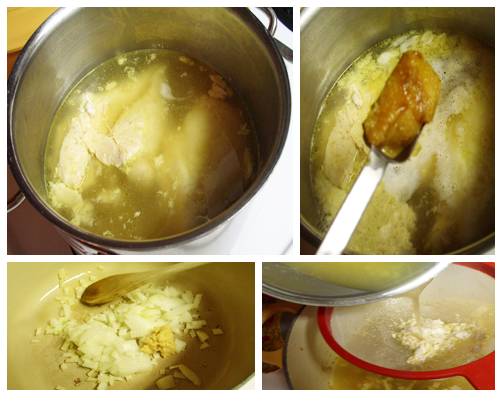
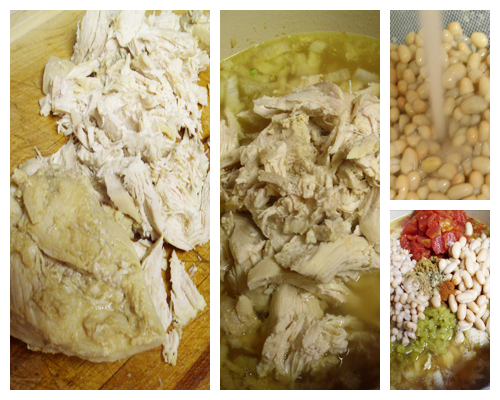
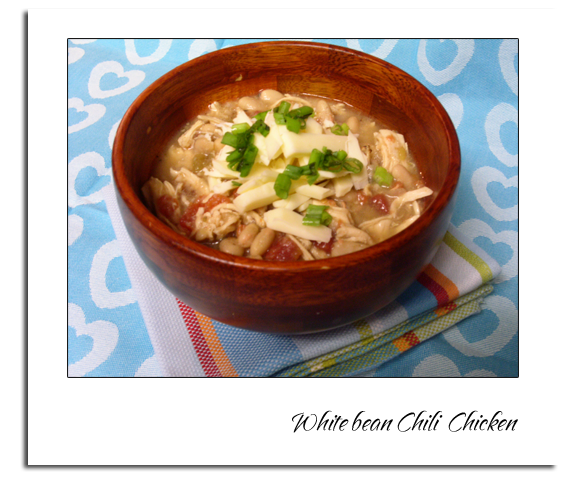
White Bean Chili Chicken

White Bean Chili Chicken

Ingredients 2 chicken breast 2 tbsp chicken base enough water to cover the chicken 2 cans white northern beans 1 can drained diced tomatoes 1 can of diced green chiles 1 chopped onion 1 tbsp crushed garlic 1 tbsp olive oil 1/2 tsp oregano 1/2 

Maque Choux

Maque Choux

Maque choux, pronounced mock shoe, is a vegetable side dish popular in the South region of the United States, particularly among the residents of southern Louisiana. The ingredients commonly include corn, onions, green bell pepper and tomatoes. Some recipes call for the addition of garlic and celery. All the ingredients are normally braised until they soften and then hot sauce or cayenne pepper is added to enhance the flavors of the vegetables.

The origins of the term maque choux are not clearly defined. The phrase can be traced to Cajun French and may have been influenced by the word machica, which is a Spanish term for a traditional dish of toasted corn meal. Other sources cite the Cajun French word maigrchou, which means thin child, as the root for the term, based on a variation of maque choux that is commonly thinned with milk or cream and resembles a soup. Another possible origin of the phrase is moque-chou, which when translated from the French language means mock cabbage, indicating that cabbage may once have been included in the recipe.

Ingredients

2 cups of fresh clean corn
1/2 cup cream
6 strips of bacon
1 small onion, chopped
1 medium tomato, chopped
1/2 bell pepper, chopped
1 green onion
1 tsp Louisiana hot sauce

Instructions

Clean corn. Cut the bacon into small strips, add the bacon to the skillet with the minced onion and cutup bell pepper cook until slightly crunchy. Add the sliced tomato and corn, when tender add the cream and the Louisiana hot sauce. Top off with the sliced green onion.


*Arrisje’s Recipe Card. Right Click  on the picture below and save to your hard drive. Print as a 4×6 picture*

Maque Choux

No ratings yet
Print Pin Comment
Prep Time 10 minutes
Cook Time 20 minutes
Total Time 30 minutes
Add to Shopping List

Ingredients

  • 2 cups of fresh clean corn
  • 1/2 cup cream
  • 6 strips of bacon
  • 1 small onion chopped
  • 1 medium tomato chopped
  • 1/2 bell pepper chopped
  • 1 green onion
  • 1 tsp Louisiana hot sauce

Instructions

  • Clean corn. Cut the bacon into small strips, add the bacon to the skillet with the minced onion and cutup bell pepper cook until slightly crunchy. Add the sliced tomato and corn, when tender add the cream and the Louisiana hot sauce. Top off with the sliced green onion
Tried this recipe?Mention @KinFolkRecipes or tag #KinFolkRecipes!
Pickled Cucumber

Pickled Cucumber

Pickled Cucumber

French Fries

French Fries

French-fried potatoes were likely invented during the 18th century in the area that later became Belgium. The name “French” was applied to them in (American) English at the beginning of the 19th century. The straightforward explanation of the term is that it means potatoes fried in the French sense of the verb: “to fry” can mean either sauteing or deep-fat frying, while its French origin, frire, unambiguously means deep-frying : frites being its past participle used with a plural feminine substantive, as in pommes de terre frites (“deep-fried potatoes”). Thomas Jefferson, famous for serving French dishes, wrote exactly the latter French expression. In the early 20th century, the term “French fried” was being used for foods such as onion rings or chicken, apart from potatoes. The verb “to french”, though not attested until after “French fried potatoes” had appeared, can refer to “julienning” of vegetables as is acknowledged by some dictionaries while others only refer to trimming the meat off the shanks of chops.