Mashed potatoes has been around since the 17th century, starting out in European cuisine. People loved them for being simple and adaptable. Just boil and mash those potatoes, and you get this creamy goodness. They’re like a blank canvas, soaking up flavors and becoming the perfect side dish. Adding butter and dairy takes them to the next level. So, whether you’re in Europe or anywhere else, mashed potatoes are this universal favorite, bringing that warm, comforting vibe to your plate. It’s like a classic that never goes out of style!
Guess what’s hitting my kitchen tonight? Southern Fried Cabbage – and trust me, it’s a game-changer! Picture this: cabbage sautéed to perfection with onions, garlic, and a sprinkle of seasoning, giving it that Southern flair. What’s the secret? Slow-cooking magic! Let those flavors dance together, …
Guess what’s cooking in my kitchen today? A hearty bowl of 15 bean soup – the perfect weather for it with the snow falling outside. I went rogue on the seasoning, tossed out the packet that comes with it, and crafted my own mix. Because why not be the flavor wizard, right?
Oh, and here’s the twist – threw in some collard greens for that extra kick. If you’re not into that, kale works like a charm. Trust me, it’s like a cozy hug in a bowl.
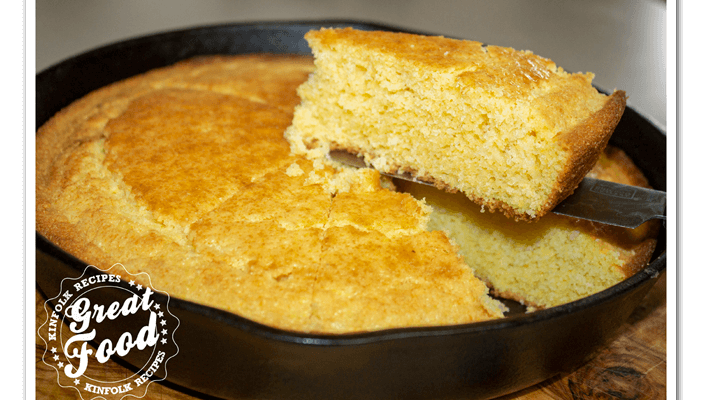
And of course, what’s 15 bean soup without a side of delicious cornbread? Don’t forget that golden goodness. It’s a feast, my friend, perfect for a snowy day. How’s that for a winter warmer?
Ingredients:
15 bean Soup (half package about 285 grams)
1 onion
2 garlic
1 tsp baking soda
Diced Boneless Ham (half package (110 grams)
2 smoked Ham Hocks or Turkey
1 tbsp Chicken Base
1 tbsp Chicken Bouillon powder
1 tsp Thyme
1 tsp Turmeric
2 bay leaves
1/2 tbsp Creole Seasoning
1/2 tsp Black pepper
4 cups of Chicken Broth
1 bunch of Collard Greens
Preparation:
Check the dried beans for any unwanted particles; rinse them thoroughly until the water runs clear. Add baking soda and let it soak overnight. The baking soda helps reduce the gas that beans tend to produce.
The next day, transfer the beans to a slow cooker or a large pot, whichever you prefer. Toss in the chopped onion, minced garlic, half a package of diced ham, and the two smoked ham hocks. Follow it up with all the seasonings and the broth.
Set the slow cooker to high and let it do its magic for 4 hours. Meanwhile, clean and chop the greens, adding them to the slow cooker after the initial cooking period. Cook for an additional hour.
Remove the ham hocks, de-bone the meat, and reintroduce it to the slow cooker.
Don’t forget to whip up a batch of cornbread. Enjoy your delicious homemade bean soup!
*If you like my recipe, right click pic below and save to you hard drive. Print as a 4×6 picture*
15 Bean Soup
Guess what’s cooking in my kitchen today? A hearty bowl of 15 bean soup – the perfect weather for it with the snow falling outside. I went rogue on the seasoning, tossed out the packet that comes with it, and crafted my own mix. Because why not be the flavor wizard, right?
Oh, and here’s the twist – threw in some collard greens for that extra kick. If you’re not into that, kale works like a charm. Trust me, it’s like a cozy hug in a bowl.
And of course, what’s 15 bean soup without a side of delicious cornbread? Don’t forget that golden goodness. It’s a feast, my friend, perfect for a snowy day. How’s that for a winter warmer?
Check the dried beans for any unwanted particles; rinse them thoroughly until the water runs clear. Add baking soda and let it soak overnight. The baking soda helps reduce the gas that beans tend to produce.
The next day, transfer the beans to a slow cooker or a large pot, whichever you prefer. Toss in the chopped onion, minced garlic, half a package of diced ham, and the two smoked ham hocks. Follow it up with all the seasonings and the broth.
Set the slow cooker to high and let it do its magic for 4 hours. Meanwhile, clean and chop the greens, adding them to the slow cooker after the initial cooking period. Cook for an additional hour.
Remove the ham hocks, de-bone the meat, and reintroduce it to the slow cooker. Don’t forget to whip up a batch of cornbrea
Have you ever thought about making your own Rice-A-Roni at home? You know, that classic “San Francisco Treat” from back in ’58. Flavors like chicken, beef, Spanish – it’s the go-to quick fix side dish for many.I’m telling you, trying a homemade version is where …
Cornbread has a rich history dating back to the indigenous peoples of the Americas, particularly the Native American tribes who first cultivated and utilized maize. Early European settlers adopted and adapted corn-based recipes, leading to the creation of cornbread as a staple in Southern cuisine during the 19th century. Its versatility and simplicity made it a beloved and enduring dish, evolving over time with variations in ingredients and preparation methods. During the Civil War, cornbread gained prominence as a crucial sustenance for Confederate soldiers, further solidifying its place in Southern culinary tradition. Today, cornbread continues to be a cherished comfort food across the United States, with various regional styles and preferences highlighting its enduring significance in American gastronomy.