
Search Results: orange
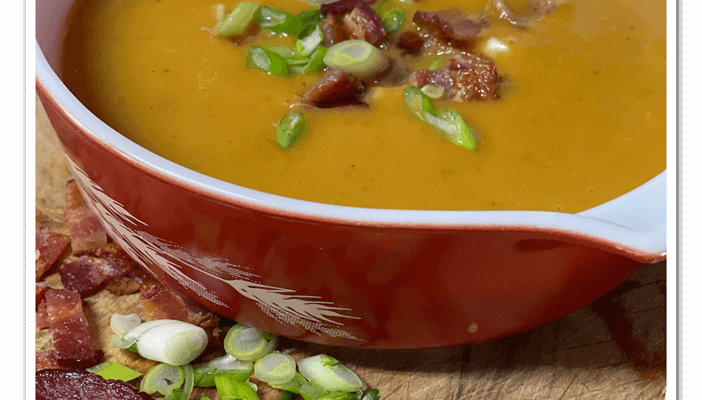
Sweet Potato Coconut Soup
Sweet potato coconut soup is a variation of sweet potato soup that includes coconut milk or cream in the recipe. This addition gives the soup a rich and creamy texture, as well as a slightly sweet and nutty flavor that complements the sweetness of the sweet potatoes.

3 Citrus Pound Cake

The name Pound Cake comes from the fact that the original pound cakes contained one pound each of butter, sugar, eggs, and flour. No leavens were used other than the air whipped into the batter. In the days when many people couldn’t read, this simple convention made it simple to remember recipes.
Ingredients
For the cake
1 grapefruit
1 lemon
1 lime
1/2 cup milk
1 tbsp grapefruit juice
1 1/2 cups unsalted softened butter
1 1/2 cups sugar
3 eggs
2 1/2 cups cake flour (If you don’t have cake flour, substitute 2 1/4 cups all-purpose flour)
1 vanilla bean
3/4 tsp baking powder
1/2 tsp baking soda
1/4 tsp salt
For the glaze
2 tbsp softened unsalted butter
1 tbsp reserved grapefruit juice
3/4 cup powdered sugar
grated grapfruit
lemon and lime peel.
Instructions
1. Heat oven to 350F. Grease and flour 9 to 12-cup Bundt pan or 10-inch angel food cake (tube) pan. Set aside.
2. Grate peel from grapefruit, lemon, lime and orange. Place 2 tsp each grapefruit, lemon, lime and orange peel in small bowl; add milk and 1 tbsp grapefruit juice. Mix well.
3. Combine butter and sugar in large bowl. Beat at medium speed, scraping bowl occasionally, until creamy. Add eggs, one at a time, beating well after each addition. (Mixture will appear curdled).
3. Stir together flour, baking powder, baking soda and salt in another small bowl. Combine gradually the dry flour mixture to the wet butter sugar egg mixture, alternately add the milk mixture, beating just until moistened after each addition.
4. Spread batter evenly into prepared pan. Bake for 45 to 50 minutes or until toothpick inserted in center comes out clean. Cool pan on wire rack 10 minutes. Remove from pan. Cool completely.
5. Combine 2 tablespoons melted butter and reserved 1 tablespoon grapefruit juice in small bowl. Add powdered sugar; stir until well mixed. (Add 1 to 2 tablespoons additional grapefruit juice, if necessary, to reach desired glazing consistency.) Drizzle over cooled cake. Sprinkle with grated peel, if desired.
*Below is my recipe card. Right click, save to your computer and print as a 4×6 pic*


Ingredients
For the cake
- 1 grapefruit
- 1 lemon
- 1 lime
- 1/2 cup milk
- 1 tbsp grapefruit juice
- 1 1/2 cups unsalted softened butter
- 1 1/2 cups sugar
- 3 eggs
- 2 1/2 cups cake flour If you don't have cake flour, substitute 2 1/4 cups all-purpose flour
- 1 vanilla bean
- 3/4 tsp baking powder
- 1/2 tsp baking soda
- 1/4 tsp salt
For the glaze
- 2 tbsp softened unsalted butter
- 1 tbsp reserved grapefruit juice
- 3/4 cup powdered sugar
- grated grapfruit
- lemon and lime peel.
Instructions
- Heat oven to 350F. Grease and flour 9 to 12-cup Bundt pan or 10-inch angel food cake (tube) pan. Set aside.
- Grate peel from grapefruit, lemon, lime and orange. Place 2 tsp each grapefruit, lemon, lime and orange peel in small bowl; add milk and 1 tbsp grapefruit juice. Mix well.
- Combine butter and sugar in large bowl. Beat at medium speed, scraping bowl occasionally, until creamy. Add eggs, one at a time, beating well after each addition. (Mixture will appear curdled).
- Stir together flour, baking powder, baking soda and salt in another small bowl. Combine gradually the dry flour mixture to the wet butter sugar egg mixture, alternately add the milk mixture, beating just until moistened after each addition.
- Spread batter evenly into prepared pan. Bake for 45 to 50 minutes or until toothpick inserted in center comes out clean. Cool pan on wire rack 10 minutes. Remove from pan. Cool completely.
- Combine 2 tablespoons melted butter and reserved 1 tablespoon grapefruit juice in small bowl. Add powdered sugar; stir until well mixed. (Add 1 to 2 tablespoons additional grapefruit juice, if necessary, to reach desired glazing consistency.) Drizzle over cooled cake. Sprinkle with grated peel, if desired.
 Tried this recipe?Mention @KinFolkRecipes or tag #KinFolkRecipes!

Pico de Gallo
Pico de gallo can be used in much the same way as other Mexican salsas, Kenyan Kachumbari or Indian chutneys, but since it contains less liquid, it can also be used as a main ingredient in dishes such as tacos and fajitas.
In some regions of Mexico, a fruit salad (watermelon, orange, jicama, cucumber and sometimes melon and papaya) tossed in lime juice and hot sauce or chamoy and sprinkled with a salty chili powder is also known as pico de gallo; it is a popular snack and usually sold outside schools, while the tomato-based condiment is better known as salsa picada, which means minced or chopped sauce, salsa bandera or salsa mexicana, because the colors red (tomato), white (onion), and green (chili) are the colors of the Mexican flag.
One of the sources for the name “rooster’s beak” could be the beak-like shape and the red color of the chilis used to make it. According to food writer Sharon Tyler Herbst,it is so called because originally it was eaten with the thumb and forefinger, and retrieving and eating the condiment resembled the actions of a pecking rooster.
Another suggested etymology is that pico is derived from the verb picar, which has two meanings: 1) to mince or chop, and 2) to bite, sting or peck. The rooster, gallo in Spanish, is a common metaphor for the hyper-masculine (“macho”) male in Mexican culture. One example of such machismo is taking pride in withstanding the spicy burn of chilis.
However, neither theory can be considered definite, as they assume the use of hot chilis. In many regions of Mexico the term “pico de gallo” refers to any of a variety of salads, condiments or fillings made with sweet fruits, tomatoes, tomatillos, avocado or mild chilis — not necessarily with hot chilis, or any chilis at all. Thus, the name could be a simple allusion to the bird feed-like minced texture and appearance of the sauce.
The source of this article is wikipedia, the free encyclopedia.

Spanish Rice
Spanish food is quite different from that of many other European countries in that it makes heavy use of rice; a staple that is more commonly associated with Asian countries. In order to understand exactly why the Spanish use rice so much in their cuisine it is beneficial to recount the history of Spanish rice. Spain was ruled by the Moors, who in turn were heavily influenced by the cuisine and culture of Muslim Arabs form the Middle East. It is widely believed that it was the Moors who laid the foundation stone in the history of Spanish rice by introducing it to the local population. By the time the Moors were expelled from Spain more than 700 years after they first arrived, rice had already developed a long established history among the Spanish people who were not prepared to abandon it.
The fact that rice came to the Spanish from the Moors is supported with linguistic evidence. The Spanish word for rice is ‘arroz’ which seems to come directly from the Arabic word for rice which is ‘al- ruzz’.
Spanish Rice Today
Today the term Spanish rice is often used to denote a specific dish that is served as a side dish made from white rice, tomatoes, garlic, onions, parsley, cilantro as well as a few other ingredients. One common cooking method for Spanish rice is to saute the rice until golden brown and cook it in chicken broth. Vegetables including carrots and peas or corn may also be used depending on the recipe.
Spanish rice is a popular dish in the Southwest of the United States, where it often features liberal portions of grilled and stewed vegetables. The version of Spanish rice cooked throughout South America tends to be more standardized, often with just enough tomato and chili to provide the characteristic reddish orange color and a smoky, garlic and onion taste. It is frequently served as a side dish alongside other Venezuelan and other South American Cuisine.