Origin: The origins of the “advocaat” are unclear. Some say it’s derived from an alcoholic drink that Dutch colonists made from avocado. However, others, place advocaat origins more recent with the name coming from the Dutch word for “advocate” being originally considered a lawyer’s drink. …
Below is the recipe the way my mother used to make Zuurkool with stoofpeertjes. We, the children refused to eat Zuurkool without something sweet. So my mother added the stoofpeertjes. I do see on the internet, that we were not the only ones adding something sweet to the Zuurkool, like apple or pineapple.
Origin: The origins of the “advocaat” are unclear. Some say it’s derived from an alcoholic drink that Dutch colonists made from avocado. However, others, place advocaat origins more recent with the name coming from the Dutch word for “advocate” being originally considered a lawyer’s drink.
Avocado: Some say the origin of “advocaat” lie with Dutch colonialists trying to imitate the creamy mixture of avocado (“advocaat”) pulp, cane sugar, and rum they had been offered in Brazil, substituting egg yolk for the exotic fruit. Dutch texts from the 17th century describe a yellow-colored drink popular with sailors of the period and made in the Dutch Antilles (Dutch Caribbean Islands) from an avocado flesh mixed with alcohol.
Lawyer: Others place Advocaat’s origins as the Dutch word for “lawyer.” As the name of the drink, it is short for advocatenborrel, or “lawyer’s drink,” where “borrel” is Dutch for a small alcoholic beverage consumed slowly during a social gathering. Named as a good lubricant for the throat, this drink is considered especially useful for a lawyer who must speak in public.
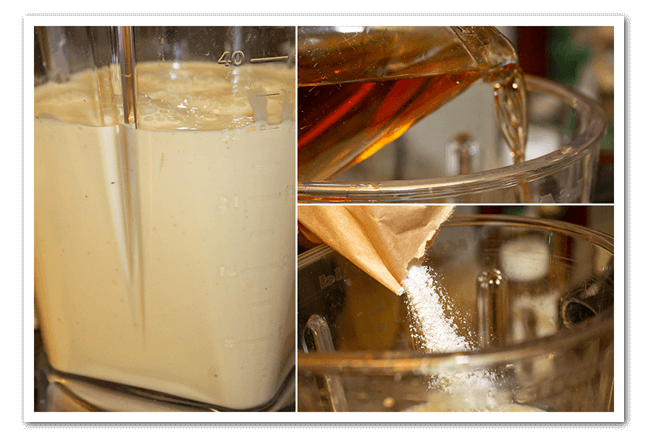
Pour the eggnog in the blender, add the brandy and instant pudding. And blend away.
You can safe it in your refrigerator. Top it off with whipped cream.
Advocaat
Advocaat is a traditional Dutch liqueur made from barn eggs, sugar, brandy and vanilla. One day I will make it the original way right now I make it the easy way.
Food historians trace the history of bread pudding to the early 11th and 12th centuries, as frugal cooks looked for ways to use stale, leftover bread instead of letting it go to waste. In 13th century England, bread pudding was known as “poor man’s pudding,” as it was a popular dish with the lower classes. While bread pudding is still a way to use up leftover bread, it has gained a reputation as a comfort food and is a featured dessert item in trendy establishments, having shed its humble roots.
The name Sliders originated in the 1940s, when sailors in the U.S. Navy would refer to mini-burgers as “sliders” because of their extreme greasiness. In just one or two bites, the burger would just slide right down! The slider was first created at White Castle, a popular American fast food chain restaurant. Since then all kind of sliders has been created.